
The Allure of Chance
Nội dung chính
The thrill of uncertainty is a significant factor that drives people to casinos. The unpredictable nature of games creates an environment ripe for excitement. Players are enticed by the possibility of winning big, with every spin of the slot machine or shuffle of the cards providing a moment of hope and anticipation. This psychological principle, known as “variable reinforcement,” plays a crucial role in keeping players engaged. When wins are sporadic but rewarding, they are more likely to continue playing in hopes of experiencing that rush again. Notably, many choose casinos not on gamstop for their gaming experiences due to a desire for variety.

Moreover, the concept of chance taps into our innate desire for risk-taking. Many individuals find the idea of gambling appealing because it allows them to flirt with danger while remaining in a generally safe environment. This blend of excitement and safety is a fundamental aspect of casino gaming, often leading players to return for more experiences filled with uncertainty.
The Role of Social Interaction
Casinos are not just places for solitary gaming; they also facilitate social interaction, which enhances the overall experience. Many players enjoy the camaraderie and friendly competition that comes from gambling in a communal setting. Engaging with other players and sharing in the highs and lows of games fosters a sense of belonging and community, making the experience more enjoyable and memorable. The warmth of these social connections often invites players back to the casino.
Additionally, social elements like live dealer games and group betting can create a more immersive atmosphere. This social aspect can elevate the thrill of gaming, as individuals feel part of something larger than themselves. The conversations, shared experiences, and social connections formed in casinos often entice players to return, seeking the same levels of enjoyment and companionship.
The Impact of Environment
The design and ambiance of a casino play a pivotal role in attracting players. Bright lights, vibrant colors, and captivating sounds are all carefully orchestrated to create an enticing environment. These elements are strategically placed to stimulate the senses, drawing players in and encouraging them to stay longer. The layout of casinos is also designed to maximize exposure to games while minimizing distractions, keeping players engaged in the gaming experience. This careful curation can extend the duration of visits, making it hard for players to resist returning.
Furthermore, many casinos deliberately obscure the passage of time, using elements like clockless walls and dim lighting to encourage prolonged play. This psychological tactic can lead players to lose track of time, resulting in extended gaming sessions that can contribute to their return visits. The ambiance, combined with the excitement of gaming, forms a powerful draw that keeps individuals coming back for more.
The Psychology of Winning and Losing
The psychology behind winning and losing is complex and deeply ingrained in human behavior. When players win, the release of dopamine—the “feel-good” neurotransmitter—creates a euphoric sensation, reinforcing the desire to continue gambling. This is often why players return; they chase the high that comes from a win, even when they face losses in between. The highs and lows of gaming evoke a rollercoaster of emotions, making the experience memorable and compelling. This emotional journey is part of what makes the casino experience so unique.
On the flip side, losses can also fuel return behavior, as players often believe they are “due” for a win. This cognitive bias can lead to a cycle of continued play, as the hope of recovering losses overshadows the potential risks involved. Understanding this cycle of reward and consequence is crucial in recognizing why many individuals find it difficult to walk away from the casino once they start playing.
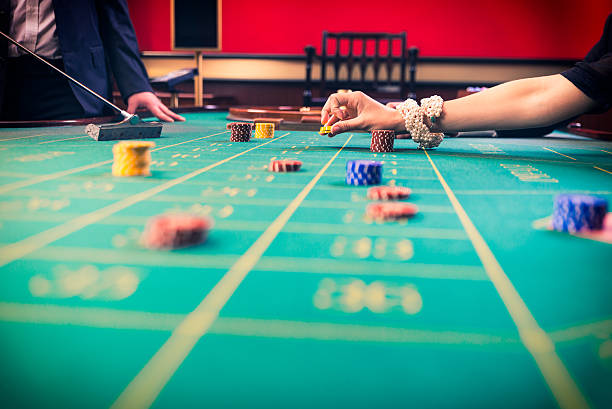
Balancing Work and Play: Insights on Casino Gaming
While casinos can be thrilling venues for entertainment, they also highlight the importance of maintaining a healthy balance between leisure and responsibilities. The allure of gaming can sometimes overshadow work obligations, prompting individuals to seek insights on how to enjoy casino gaming responsibly. Establishing boundaries and understanding one’s limits can enhance the enjoyment of gaming while preventing potential negative consequences. To help manage this balance, many tools are available to assist players.
Websites dedicated to promoting work-life balance offer valuable resources and strategies that encourage a healthy approach to leisure activities, including casino gaming. By providing tips on moderation and self-awareness, these platforms aim to assist individuals in enjoying the excitement of gaming without compromising their professional and personal lives. Ultimately, the key is to integrate responsible gaming practices into the broader context of well-being and life balance.